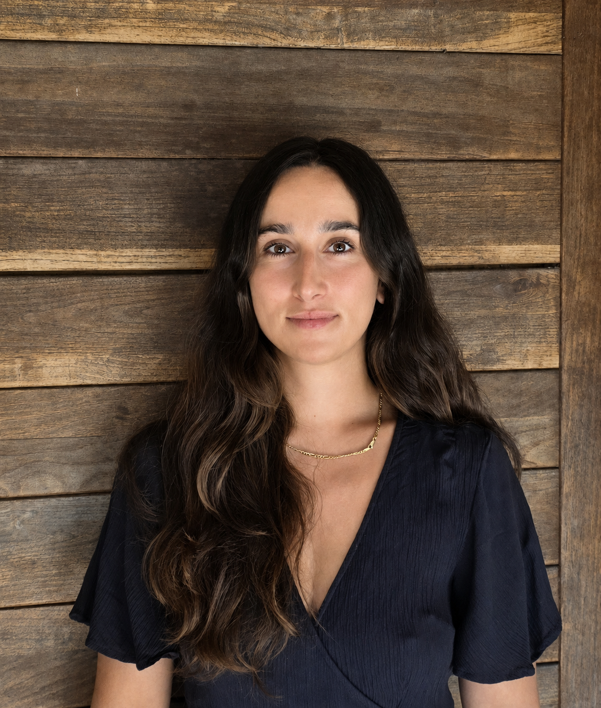
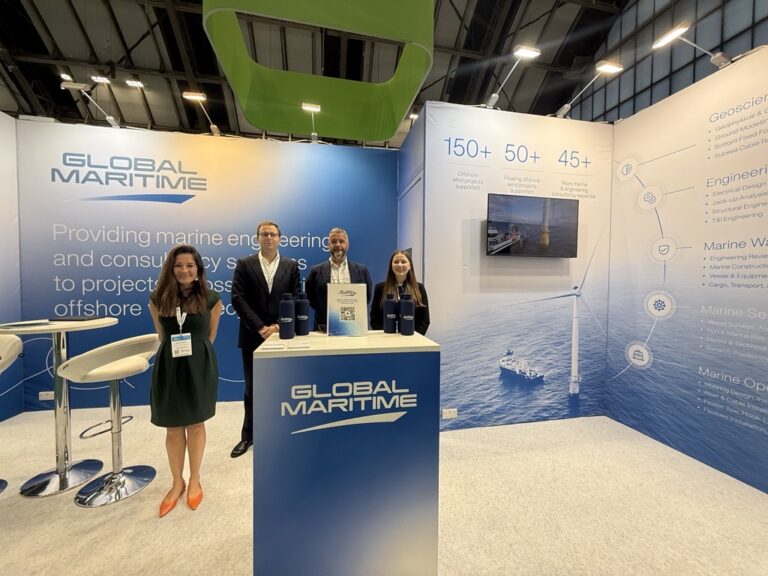
Meet Sara Pereira, Naval Architect and Marine Engineer at Global Maritime Spain, as she discusses her role, her route into offshore wind and how naval architecture supports the development of floating wind projects.
With over seven years of experience in the marine and offshore wind industries, Sara’s career began in vessel design and hydrodynamics before moving into offshore wind, where she has worked on both floating and bottom-fixed projects.
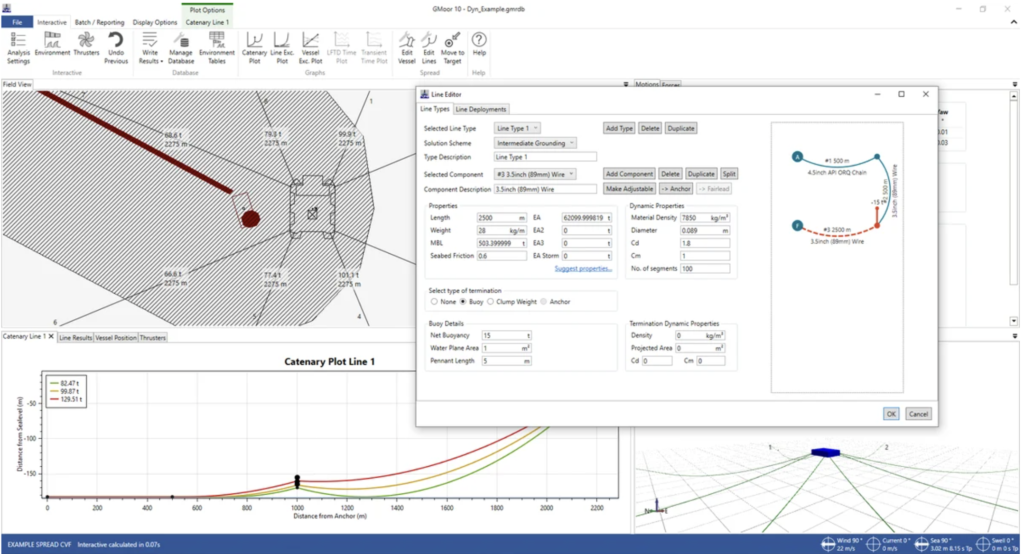
At Global Maritime, Sara works on feasibility assessments and conceptual engineering. Her role includes developing operational simulations using OPSIM, Global Maritime’s proprietary simulation software, alongside preparing installation plans and schedules, and assessing vessel requirements and marine logistics.
What does a day in the life of Naval Architect look like?
My role at Global Maritime is dynamic and varies depending on the project scope and my responsibilities within the team. My technical work can include developing operational simulations in OPSIM, preparing schedules and installation plans for offshore operations, assessing vessel spreads and marine logistics, and contributing to feasibility studies and technical reports. Client and internal coordination meetings are also a very important part, as they help ensure that our work is aligned with the project objectives and Client expectations.
What inspired you to pursue a career within our industry?
I would say that a series of small decisions gradually led me into this field. When I was 18, I was not entirely sure which career path to follow, but Naval Architecture appeared as an option and immediately sounded exciting.
After a few years working as a Naval Architect, mainly focused on vessel design, I joined the offshore wind team at the company I was working for. There, I discovered a sector that brought together many of the things I found interesting: renewable energy, complex offshore operations, planning and the challenges and excitement of a young industry. I was also fortunate to work with professionals I admired, which encouraged me to continue developing my career within the offshore industry.
If you could describe your role in three words, what would they be?
Dynamic, multidisciplinary and challenging.
What’s something exciting you’re currently working on?
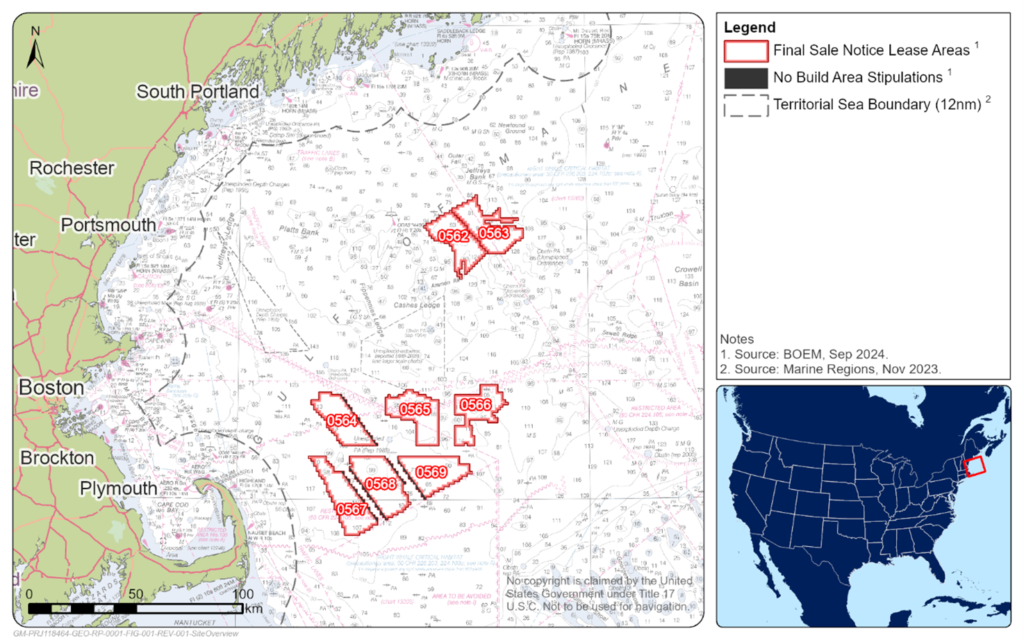
I am currently working on the planning and feasibility assessment of offshore wind projects. This involves analysing installation strategies, schedules, vessel requirements, operational constraints and weather-related risks to determine whether a proposed approach is technically feasible and realistic.
Several projects have recently entered tender or early development phases, creating exciting opportunities for Global Maritime to continue supporting major industry players.
In your opinion, what’s the key challenge facing the floating offshore wind right now, and how do GM’s capabilities help overcome it?
I believe one of the main challenges facing floating offshore wind is uncertainty. There are still uncertainties around the technologies, commercial-scale installation methods, supply chain capacity and the availability of suitable ports and vessels. Wider geopolitical and economic factors also affect project costs, making it difficult to establish reliable schedules and budgets.
Global Maritime can help reduce these uncertainties by providing independent technical assessments, realistic schedules, transport and installation strategies, operational simulations and knowledge gained from real offshore projects. By combining expertise in naval architecture, marine operations, structural engineering, metocean analysis and marine warranty, GM can assess projects from an integrated and practical perspective.
How does naval architecture support the development of floating offshore wind projects?
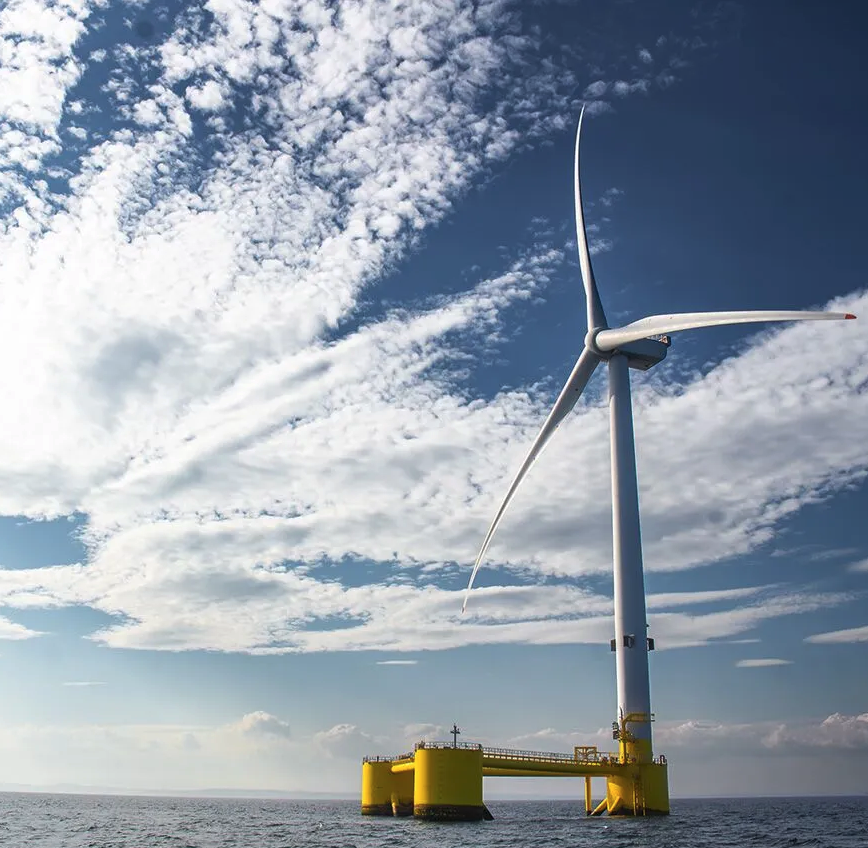
Naval architecture plays a significant role in the development of floating offshore wind projects. It supports the design and selection of the floater technology through stability, seakeeping, structural and marine systems assessments.
However, the naval architect’s contribution goes beyond the floater itself. The concept must also be assessed from an overall project perspective, considering fabrication, load-out, towing, transport, installation, hook-up, operation, and maintenance. This integrated approach helps ensure that the selected concept is technically feasible throughout its lifecycle.
At what stage of a floating wind project can early naval architecture input provide the greatest value?
In my view, the earlier, the better. Naval architecture and Marine engineering can provide significant value from the concept selection and preliminary design stages.
Early assessments can identify potential showstoppers and major cost drivers related to stability, floater motions, structural response, port requirements, towing, installation, and maintenance. This is especially important in floating wind, where different technologies and execution strategies are still being developed. Considering transport, installation and O&M requirements from the outset can help avoid costly design changes later in the project.
How does designing for floating offshore wind differ from working with fixed-bottom developments?
The main differences relate to the floater/foundation and station-keeping system. Bottom-fixed industry is more standardised, with well-established foundation concepts and installation methods. Floating wind introduces greater design diversity and additional interactions between the turbine, floating substructure, mooring system and dynamic cables.
Floating concepts therefore require detailed stability, seakeeping and coupled-response analyses. Basin testing may also be required to validate and calibrate the numerical models.
And finally, what’s your favourite thing about being part of the Global Maritime team, beyond the day-to-day work?
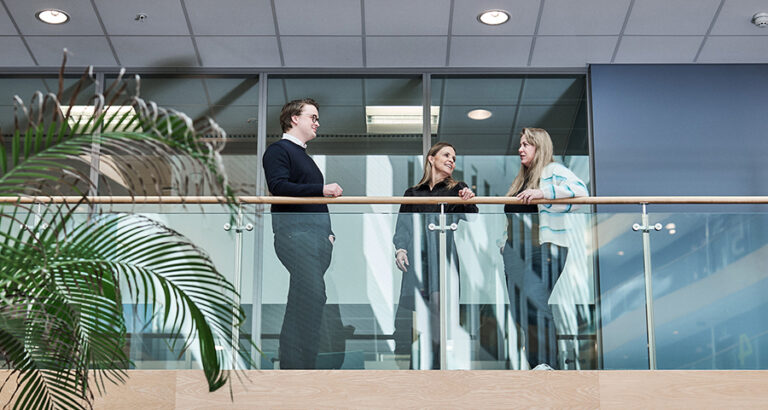
One of my favourite aspects is the opportunity to collaborate with colleagues from different Global Maritime offices. Working within international and multidisciplinary teams allows me to learn from different perspectives and areas of expertise.