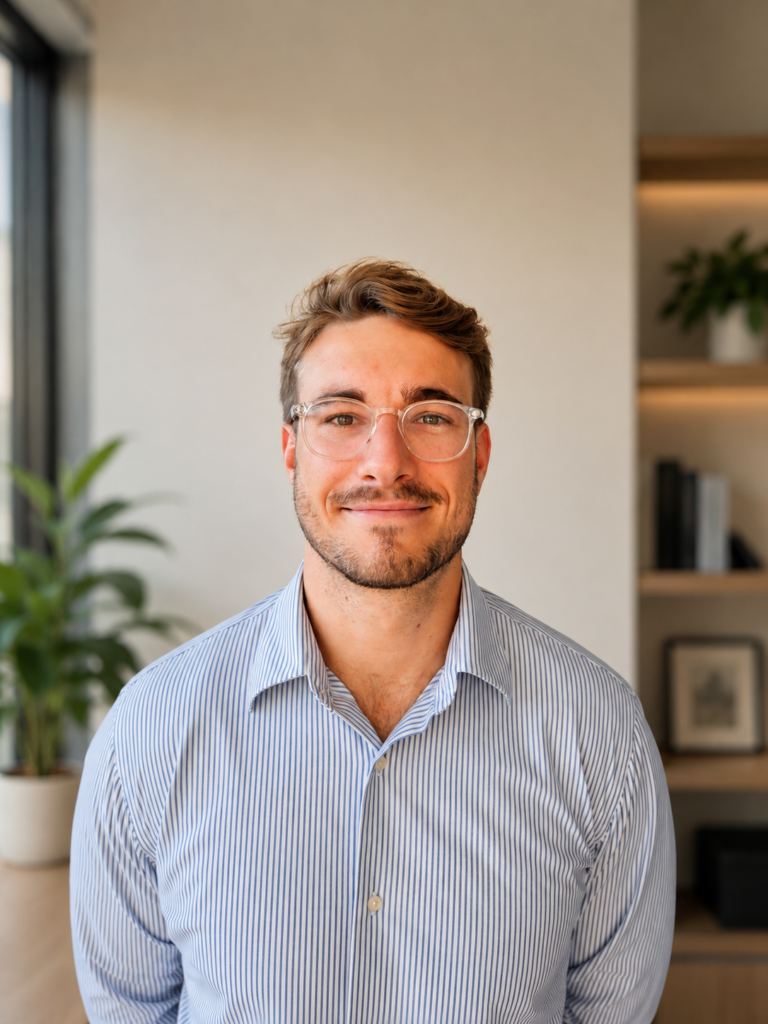
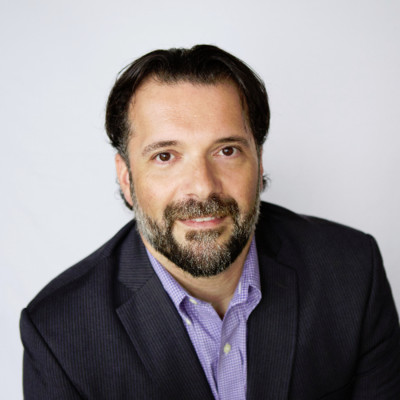
Meet Tom Couve, Project Engineer based in Perth, Australia. With four years’ experience in offshore energy, he supports engineering and project delivery across the region.
Originally from Mauritius, Tom relocated to Australia to study Civil and Structural Engineering at the University of Western Australia (UWA). He joined Global Maritime in December 2025, bringing valuable experience from his time at TechnipFMC, where he worked on Woodside’s subsea decommissioning projects across the Griffin, Enfield and Stybarrow fields, as well as offshore tie-in campaigns.
In this Q&A, Tom shares an insight into the early stages of his career, discussing the experiences that have shaped his development as an engineer and what continues to inspire his work within offshore energy. He reflects on the value of collaboration and continuous learning, the projects that have strengthened his technical expertise, and the opportunities emerging across offshore wind and decommissioning. Tom also discusses how combining local insight with global experience is helping support the growth of Australia’s decommissioning market and enabling operators to make confident decisions throughout the project lifecycle.
What does a day in the life of Project Engineer look like?
My role spans both commercial and technical work. On the commercial side, I’m heavily involved in tendering for offshore wind projects across APAC. On the technical side, I’m supporting Santos’ Simpson offshore decommissioning project with third-party engineering reviews.
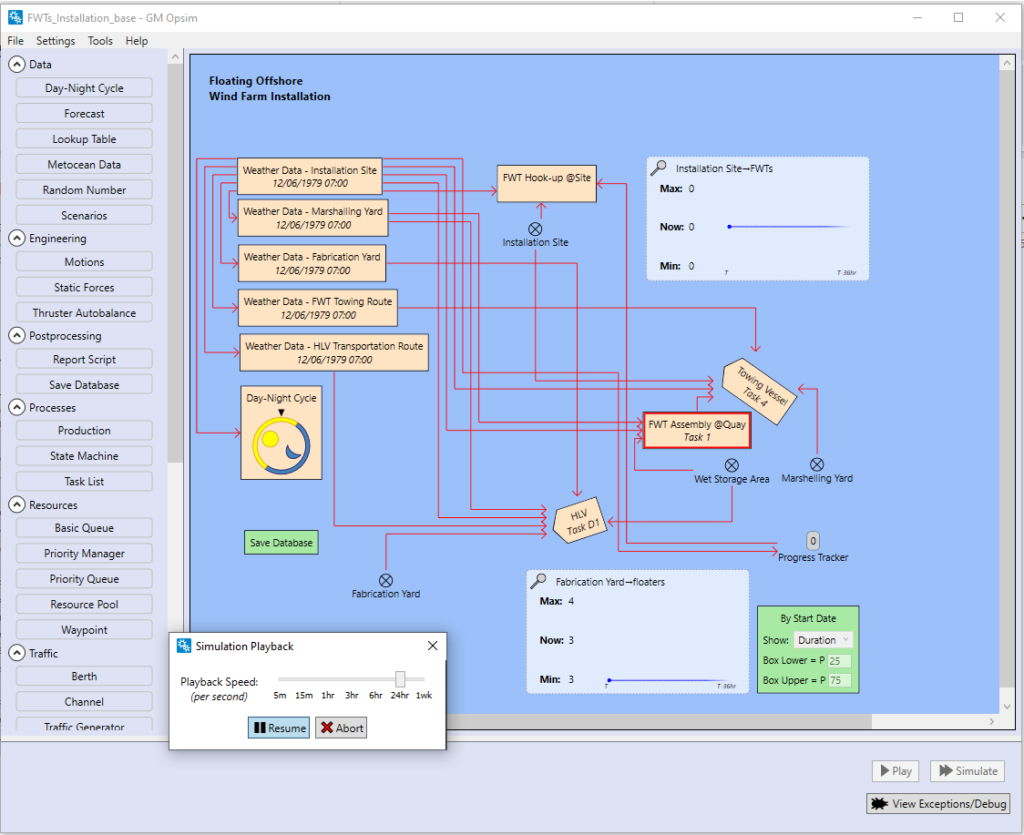
My longer-term focus is on growing APAC engineering capabilities, particularly in SSAs, LPAs, and gaining hands-on experience with company software’s like GMoor and OPSIM. This combination of commercial exposure and technical development is helping me understand the full project lifecycle from bidding through execution.
How has your career evolved at Global Maritime?
Coming from TechnipFMC, which is subsea-focused within oil & gas, Global Maritime has opened my eyes to the breadth of the maritime industry. In just six months, I’ve been exposed to offshore wind, cable installation, jack-up vessel operations, and decommissioning projects.
The biggest evolution has been realising the depth of learning required. I’m developing a T-shaped skillset, broad maritime knowledge with deepening technical expertise. The collaborative culture and accountability standards at GM have pushed me to think more critically about project strategy and risk management.
What inspired you to pursue a career within our industry?
My engineering thesis studied hydrodynamic effects on open water swimming, which gave me an early interest with marine engineering. My first job at TechnipFMC was the real trigger. I got my first glimpse of the scale and complexity of offshore oil & gas, the technical challenges, global supply chains, and environmental stakes.
Global Maritime has reinforced that passion. The maritime industry is fundamental to global commerce and energy transition. The engineering problems are genuinely complex, with safety, compliance, and commercial dimensions that matter.
What’s your favourite thing about being part of the Global Maritime team, beyond the day-to-day work?
Three things stand out. First, the collaborative culture. People genuinely want to help each other succeed. Second, the accountability; we own our work and think critically about what we deliver. Third, the calibre of staff and learning opportunities. I’m surrounded by deep expertise and there’s a real commitment to developing people like me who are building their technical foundation. It doesn’t feel like executing tasks; it feels like being invested in.
What standout projects have you worked on, and how have they helped shape your career journey?
My three years on Woodside’s subsea decommissioning program at TechnipFMC (covering Griffin, Enfield, and Stybarrow) shaped my career. It taught me the rigour required for offshore execution, asset understanding, regulatory compliance, and meticulous planning.
What’s one trend in the offshore world right now that excites you the most?
Australia’s emerging offshore decommissioning market. We’re at the point where major Australian assets are moving into decommissioning phases. What excites me is building Australian-tailored decommissioning playbooks, not just replicating the North Sea, but establishing world-class capabilities suited to our regulatory environment, supply chains, and assets.
With Australia’s offshore decommissioning market gaining momentum, how can operators benefit from combining local insight with global project experience, and where can GM add value?
Australia’s decommissioning market is maturing rapidly. Operators have asset knowledge, but global decommissioning experience from the North Sea and Southeast Asia offers proven frameworks for cost and schedule certainty.
Global Maritime’s advantage is combining deep subsea decommissioning experience with APAC presence. We help operators avoid costly mistakes and adapt solutions to Australia’s unique regulatory environment, supply chain, and offshore conditions. That’s where the value sits: de-risking early engineering and helping operators make confident strategic decisions before execution.
As the decommissioning market continues to evolve, how can operators reduce uncertainty early — and where can Global Maritime add value in shaping safer, more executable project strategies?
The biggest lever for uncertainty reduction is thorough front-end engineering. Early scoping often leaves gaps in understanding asset condition, residual hydrocarbon inventory, and environmental sensitivities. Gaps that compound costs downstream.
Global Maritime can embed that discipline early. Through third-party engineering reviews, detailed SSAs and LPAs, and pre-FEED work, we help operators build executable baselines. By the time operators move to detailed design, they have confidence in their strategy. That’s where safety improves and projects deliver.